Layer 1
Unlocking Employee Retention

Unlocking Employee Retention

Discover the power of understanding why your best talent stays.

By John O. Burdett

The Retention Riddle

Retaining top talent presents intricate challenges for companies, including evolving employee expectations beyond compensation, global competition for skilled individuals, the need for clear career development paths, the balancing act of remote work's appeal and connection, the imperative of fostering inclusivity and diversity, and the ongoing struggle to maintain work-life balance.

The Challenge

70% of C-suite executives in the US, Canada, England, and Australia are considering quitting their jobs to find a role that better supports their well-being.

Deloitte (2022)

Tangible Financial Costs

In an increasingly competitive world, retaining top talent is the key to maintaining your company's competitive edge.

According to peoplekeep.com, the average cost of replacing employees in C-level positions, is up to 213% of their salary.

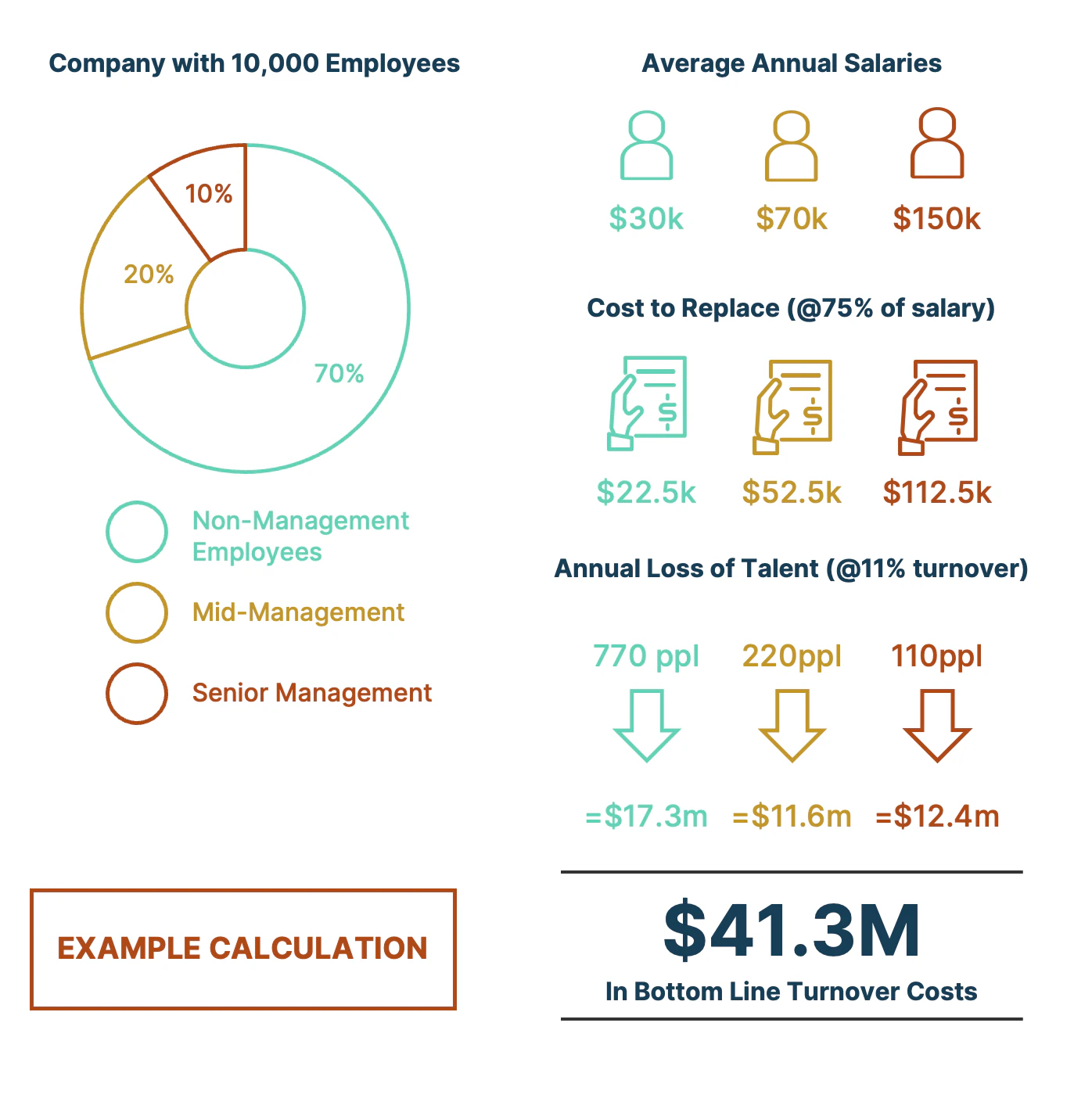
An affiliate for the SHRM calculated that it costs 6 to 9 months’ worth of an employee’s salary to replace them.

Calculating Turnover Costs

What is the real cost of losing an employee?


Direct Financial Costs

Direct costs of employee turnover refer to the expenses incurred by an organization in finding, hiring, and training new employees. These include the following:

Recruitment costs: These costs include advertising for open positions and using recruitment agencies or headhunters. Some businesses may also have to pay to conduct background checks and drug tests.

Onboarding and training costs: These are the costs associated with orienting new employees to the company’s policies and procedures. Employers must provide them with tools, training, and development programs to perform their jobs.

Separation costs: These costs include paying out unused vacation time, severance pay, and the cost of exit interviews.

Indirect Financial Costs

Indirect costs of employee turnover refer to the less quantifiable expenses incurred by a business owing to the departure of its employees. These include:

Reduced employee morale: When employees leave an organization, it can create a sense of instability and uncertainty. As a result, the remaining employees’ morale and productivity can decrease.

Loss of institutional knowledge: When employees leave a business, voluntarily or otherwise, they take their institutional knowledge with them. Finding similar expertise and skills can be a difficult task.

Reduced business performance: A high employee turnover rate can adversely impact an organization’s overall performance. This happens because the constant cycle of hiring and training new employees takes time and effort.

Addressing these challenges requires various solutions, but it starts with an important question…

Why do People Stay?

The TRANSEARCH Methodology

We've developed 'Why Do You Stay?©’ - a unique process designed to unveil the secrets behind why your best talent remains loyal.

Built upon appreciative inquiry methodology, we provide insightful and actionable data about your organization's retention dynamics.

We delve deep into 50 research-based retention factors, ensuring a comprehensive understanding of your retention landscape.

Our approach engages employees across different levels in your organization, promoting open and meaningful discussions around their decision to stay.

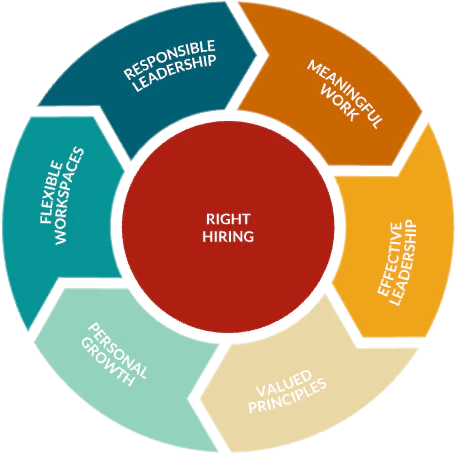
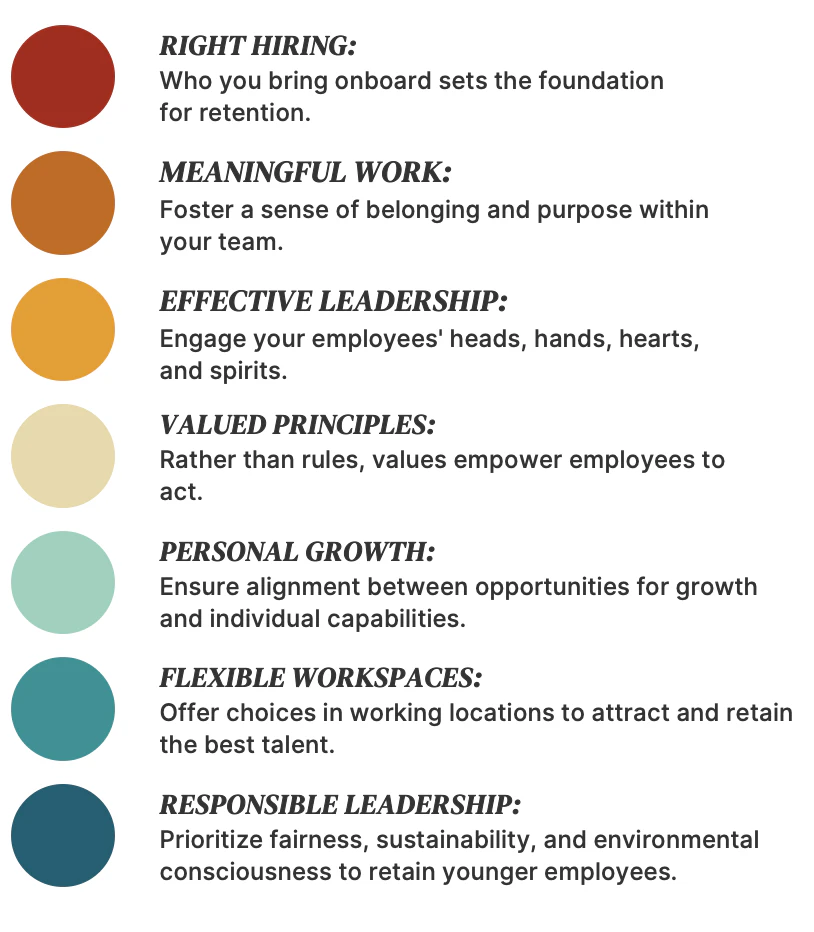
The 7 Crucial Factors to Enhance Retention


Gain the TRANSEARCH Edge

  1. 1.Unearth what keeps your best talent and attract even more high performers.
  2. 2.Enhance the factors that engage your top performers and create more meaningful work environments.
  3. 3.Foster an organizational culture of growth, collaboration, and retention.


Take the First Step to Success

Ready to unlock the secrets of employee retention in your organization? Let TRANSEARCH’s 'Why Do You Stay?©' guide you.

Start today - Unearth what makes your organization unique and a favorite among your employees.

John O. Burdett is a global thought leader, renowned international author; and influential speaker specializing in organization culture, leadership, and talent management. He is the architect of our Orxestra® methodology – a suite of proprietary TRANSEARCH tools that together, maximize the ‘fit’ of a leadership appointment and promote leadership balance.