Leadership Report
*Includes our flagship programs: the McNulty Leadership Program, the Lipman Family Prize, and the Center for Leadership and Change Management

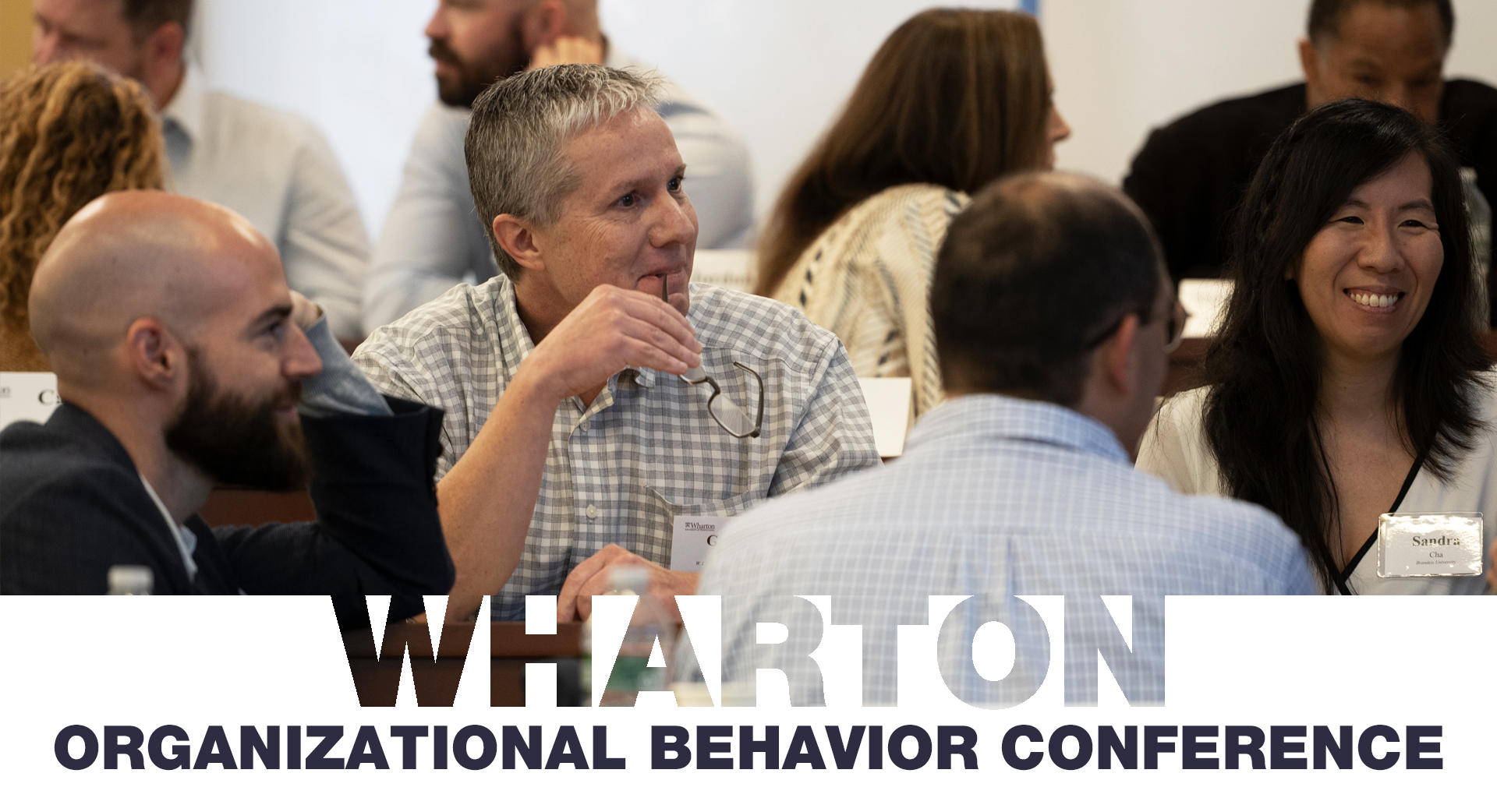
This past November, the Wharton Organizational Behavior (OB) Conference marked its 30th anniversary—a milestone that reflects three decades of advancing thought leadership, nurturing early-career scholars, and strengthening the academic community in the field of organizational behavior.
Established in 1994, the conference was designed as a dedicated forum for junior faculty to present innovative new research and engage in rich dialogue with peers and senior scholars. In honor of the 30th anniversary, past speakers were invited to attend the panel sessions, and an alumni reunion was held at the end of the two-day conference.
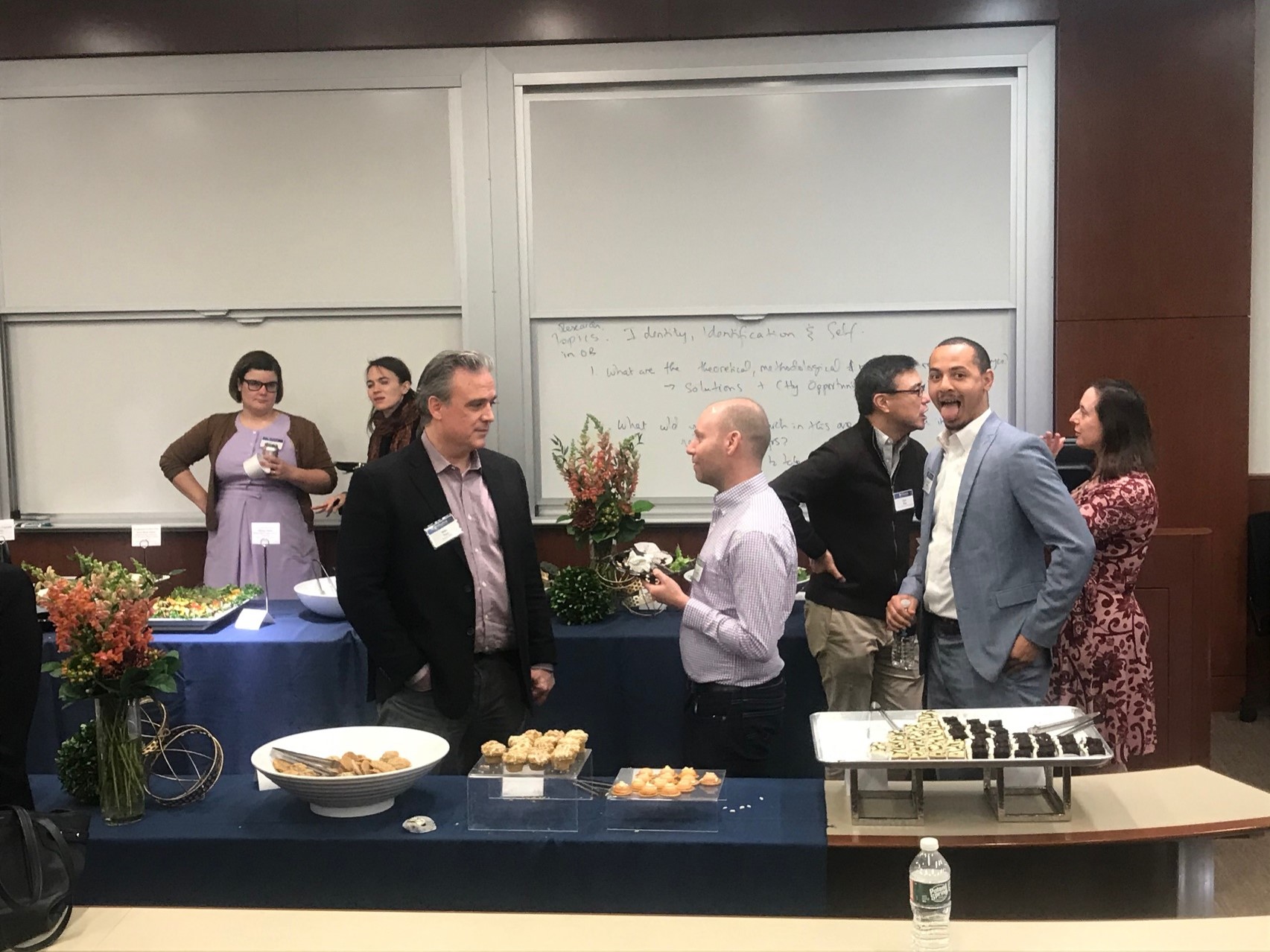
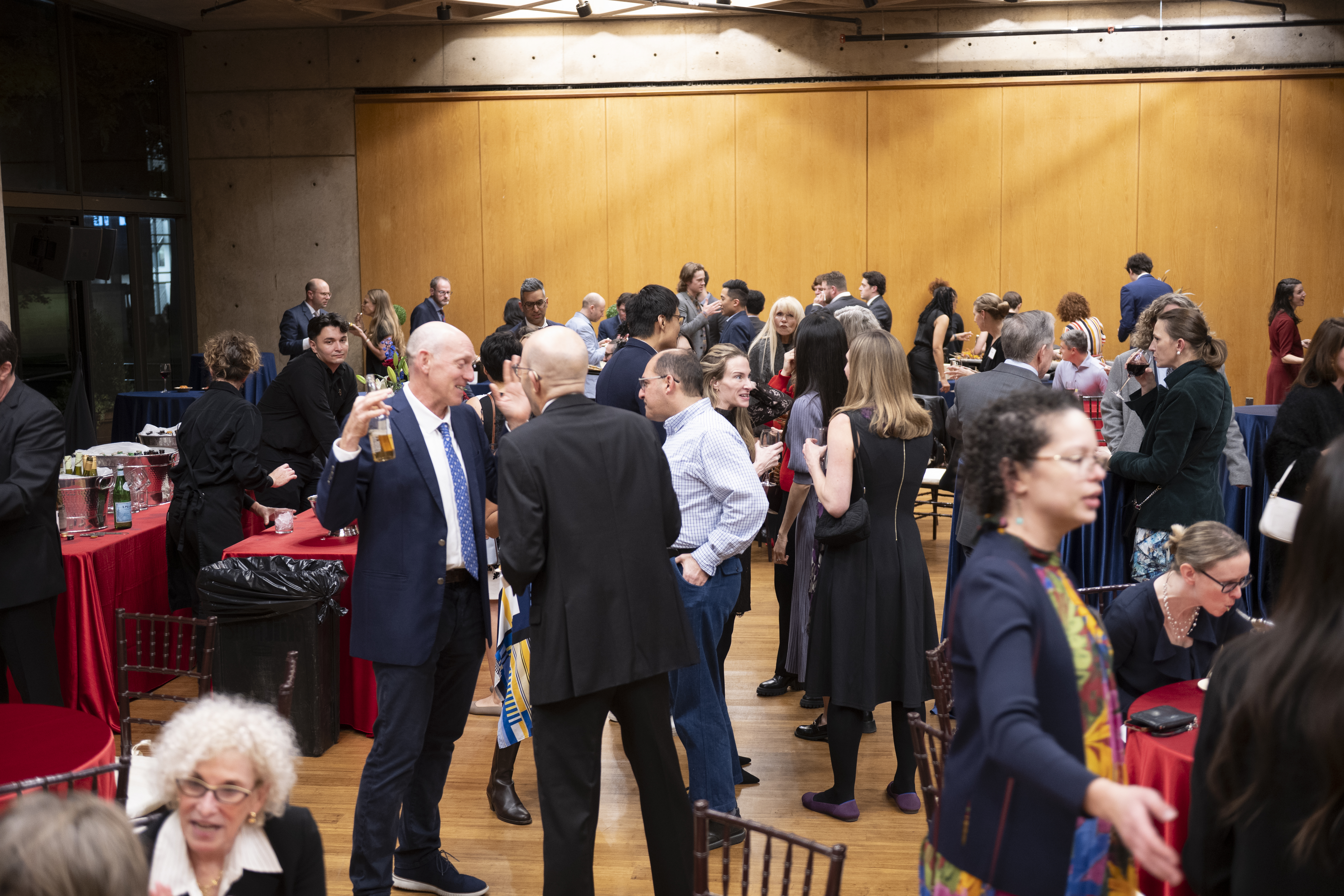
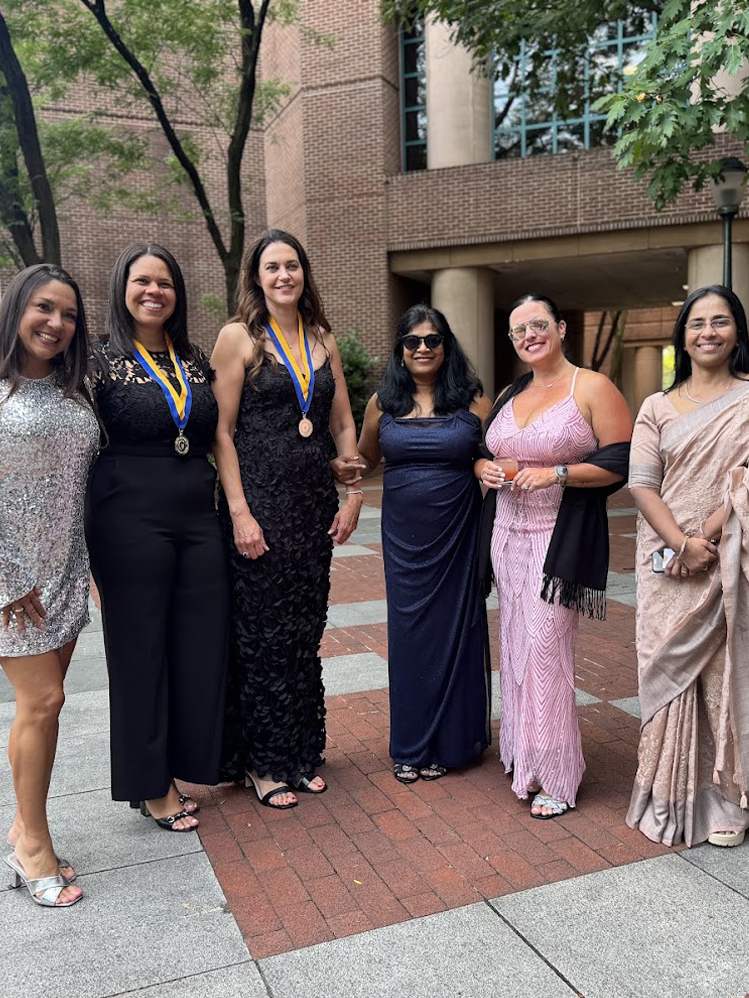
Reception at the 25th OB Conference Reunion in 2019 | Reception at the 30th OB Conference Reunion in 2025 |
A defining feature of the conference in recent years has been the Barsade Paper Prize, an annual endowed award established in 2023 to honor the extraordinary legacy of Dr. Sigal G. Barsade. Dr. Barsade, the Joseph Frank Bernstein Professor of Management, was an internationally recognized scholar whose pioneering research illuminated the role of emotions, emotional intelligence, organizational culture, unconscious bias, leadership, and change in shaping workplace dynamics. A beloved teacher, colleague, and mentor, she profoundly influenced both the Wharton community and the broader field. Dr. Barsade received her bachelor’s degree in psychology from the University of California, Los Angeles, and her Ph.D. in organizational behavior from the University of California, Berkeley’s Haas School of Business. She taught at the Wharton School from 2003 until her passing in 2022.
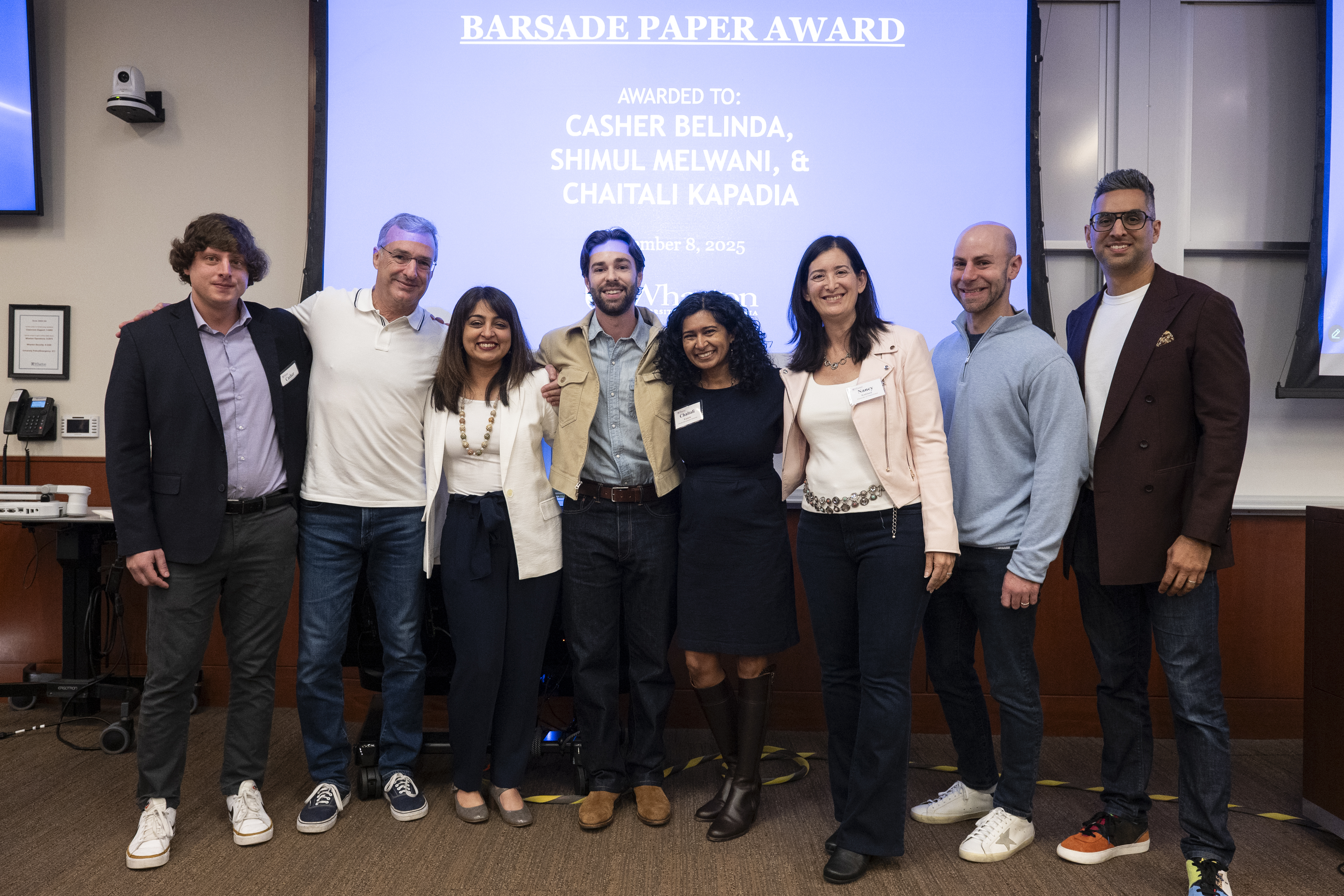
(From L to R): Prize Winner Casher Belinda, Jonathan Barsade, Prize Winner Shimul Melwani, Itai Barsade, Prize Winner Chaitali Kapadia, Professors Nancy Rothbard, Adam Grant, Samir Nurmohamed
Administered by a faculty review committee, the Barsade Prize recognizes a published paper that makes a significant theoretical contribution to organizational behavior, offers broad scholarly insights, and advances understanding of emotions in the workplace, an area to which Dr. Barsade devoted her career. The prize is awarded annually and presented, along with a cash award, at the conclusion of the conference. The 2025 Barsade Prize was awarded to the faculty pictured at left for their work entitled: Breaking Boredom: Interrupting the Residual Effect of State Boredom on Future Productivity.
As it enters its fourth decade, the Wharton OB Conference continues to uphold its founding mission while embracing new ideas, new scholars, and new possibilities for the field. Its 30-year history stands as a testament to the power of community, curiosity, and collaboration in shaping the future of organizational behavior research.
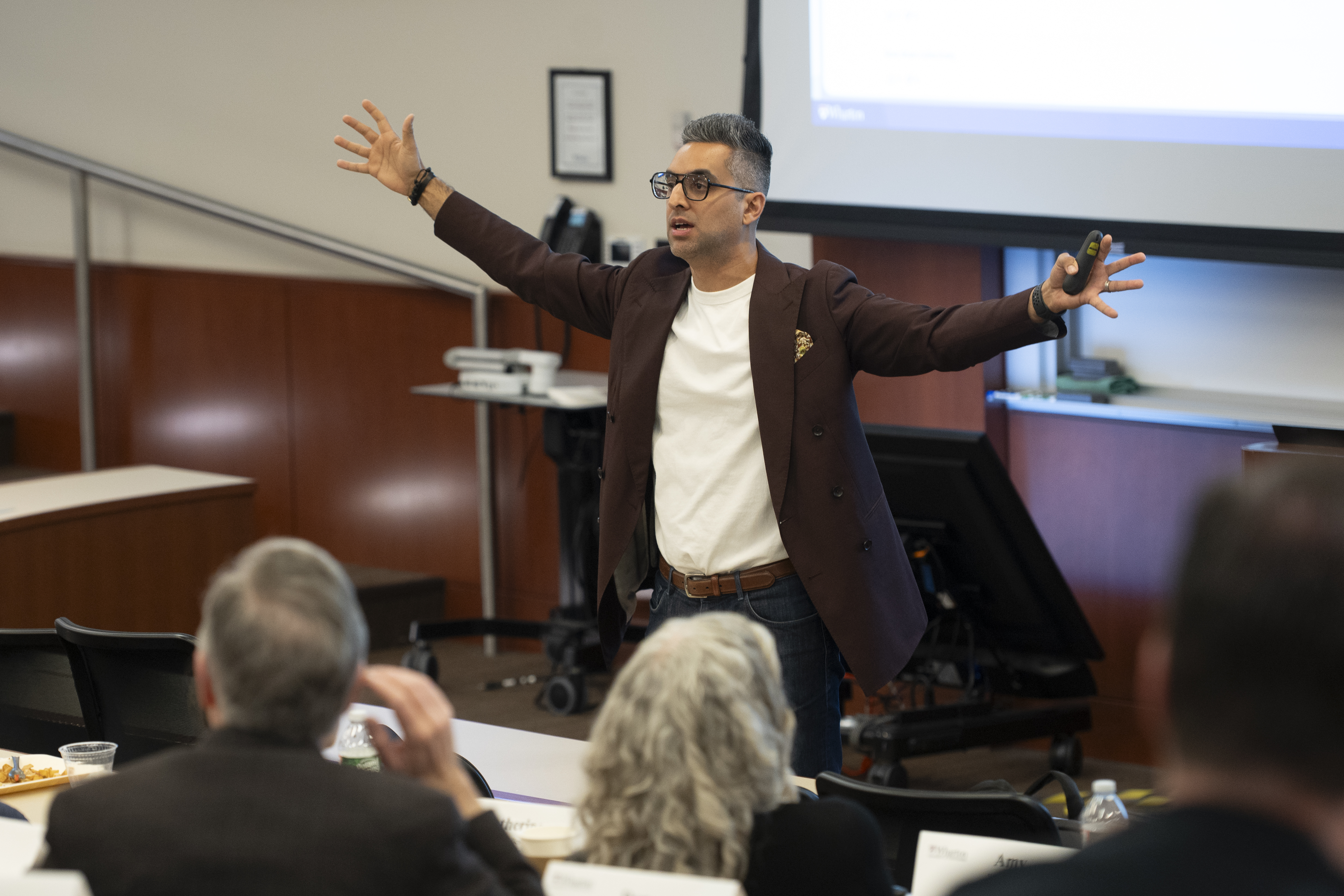
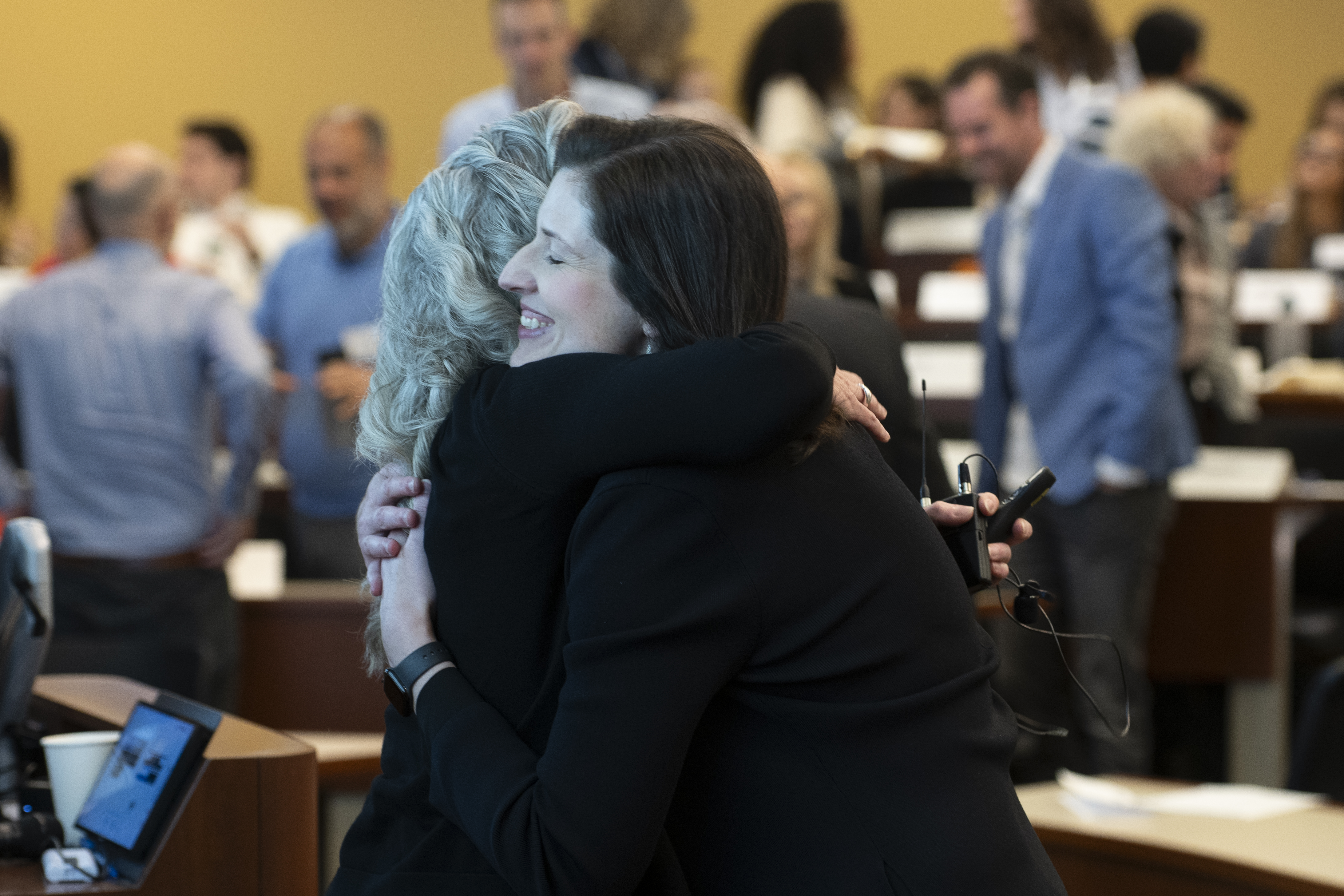
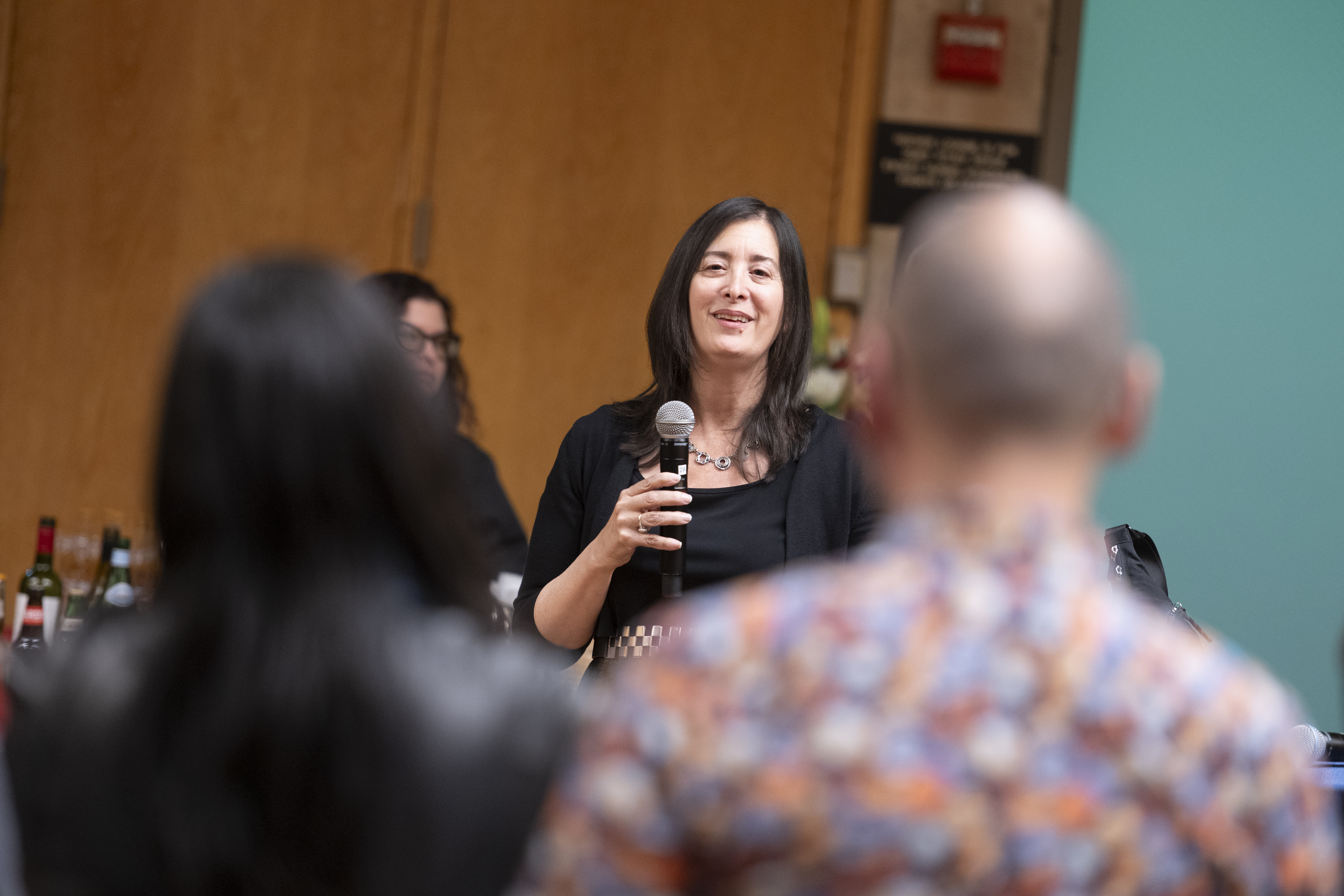
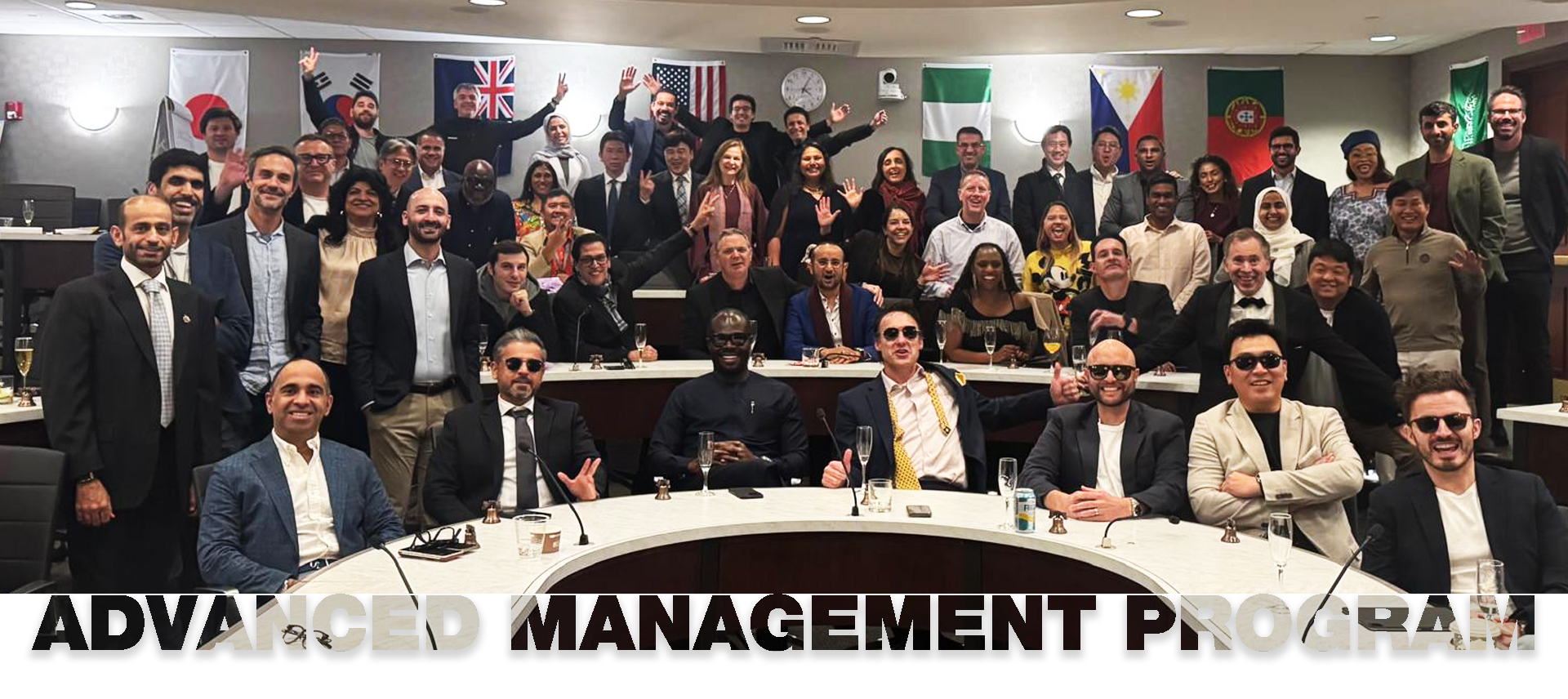
The Advanced Management Program (AMP) delivered through the Aresty Institute of Executive Education recently completed its 21st iteration since the program was comprehensively redesigned a decade ago. As Wharton’s flagship leadership experience for senior executives at the height of their careers, AMP is built for leaders navigating global responsibility, complex stakeholder environments, and moments of strategic inflection. The program emphasizes deep self-awareness, systems-level thinking, and the practical application of leadership insights in real time.
AMP is distinguished by its highly experiential design, extending well beyond the traditional classroom model. Participants engage in immersive learning experiences that challenge assumptions, surface leadership blind spots, and foster sustained reflection. The program creates a rigorous yet supportive environment in which executives can step back from day-to-day demands to reassess their leadership impact, decision-making approach, and long-term aspirations—both personally and professionally.
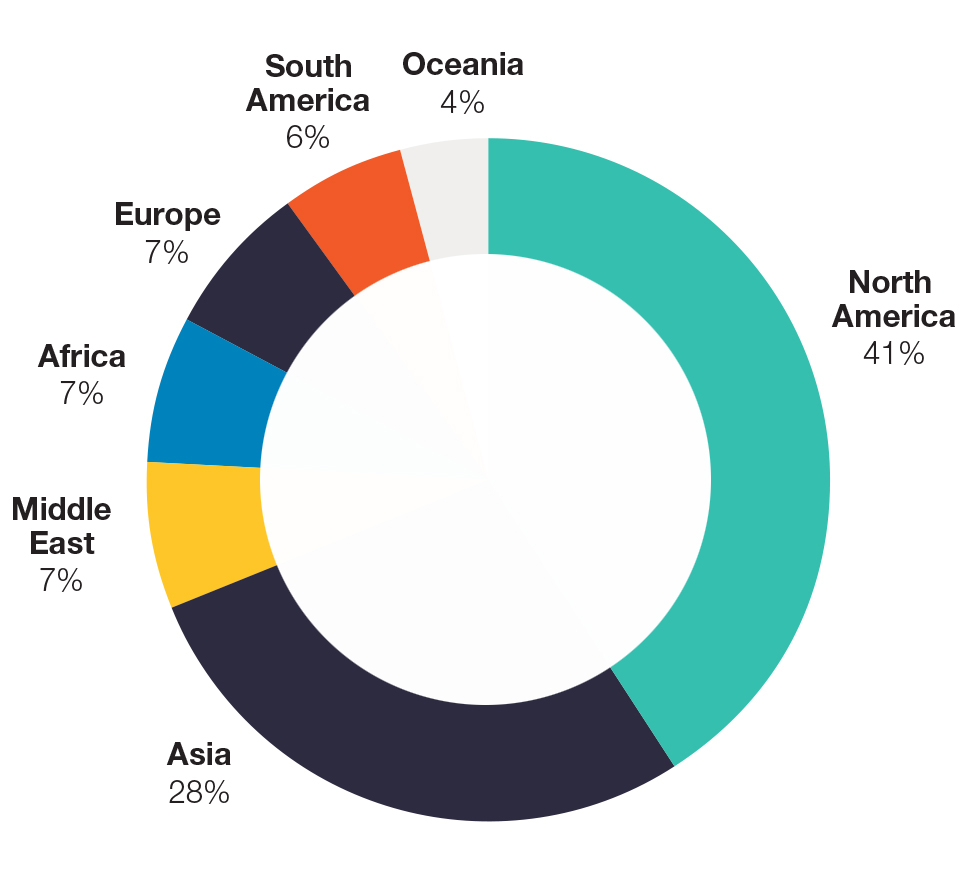
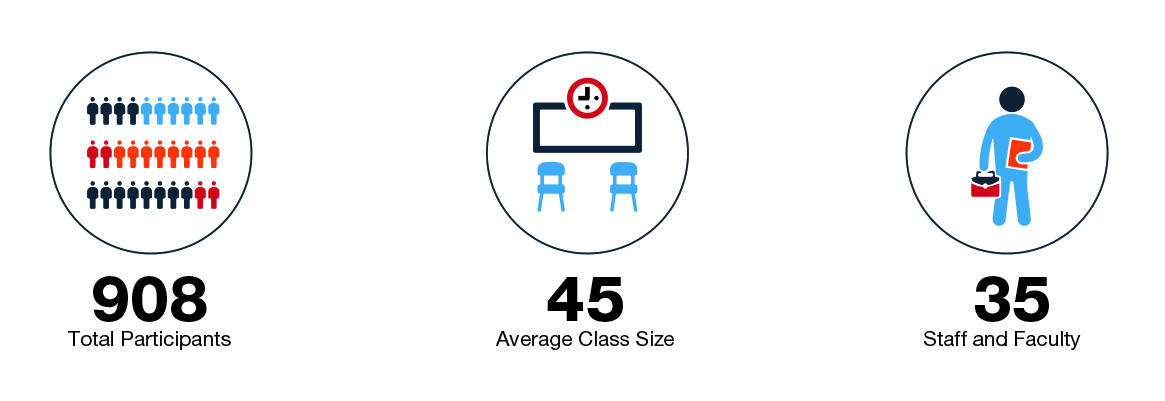
Since the 2015 revision, AMP has partnered closely with the McNulty Leadership Program (MLP) to further strengthen its experiential foundation. The graphs below represent participant data from the last ten years.
This collaboration has significantly expanded leadership development offerings, including a two-day, off-site retreat designed to deepen reflection, build trust among participants, and explore leadership purpose in a concentrated, immersive setting. The program also features an enhanced executive coaching model, now comprising ten individual coaching sessions and five team-based sessions, enabling participants to translate insight into action with sustained guidance and accountability.
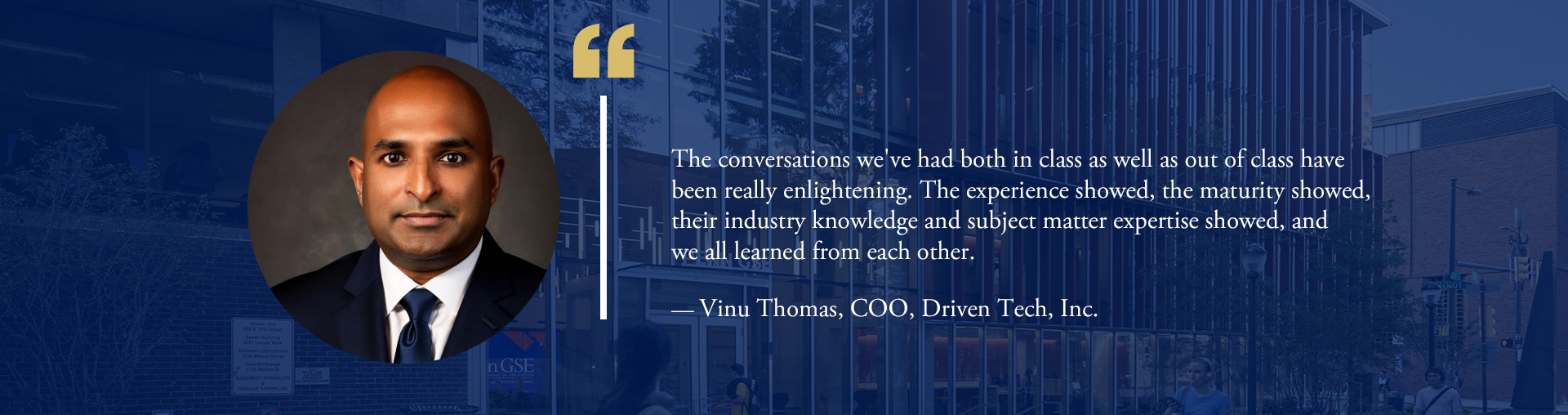
Additional innovations include the expansion of AMP’s global reach through a hybrid module, a redesign of the partners program, which acknowledges the integral role that family and personal networks play in senior leadership effectiveness, and a Leadership Trek designed exclusively for alumni. Together, these elements reinforce AMP’s holistic approach, addressing not only the strategic and organizational dimensions of leadership but also the human, relational, and global contexts in which senior executives operate.
Through this integrated and continually evolving design, AMP remains a cornerstone of Wharton's Executive Education, equipping seasoned leaders with the clarity, perspective, and capability needed to lead with purpose and impact in an increasingly complex world.
Click here to read more about the AMP Program. Click here to read about the Alumni Leadership Seminar Trek.
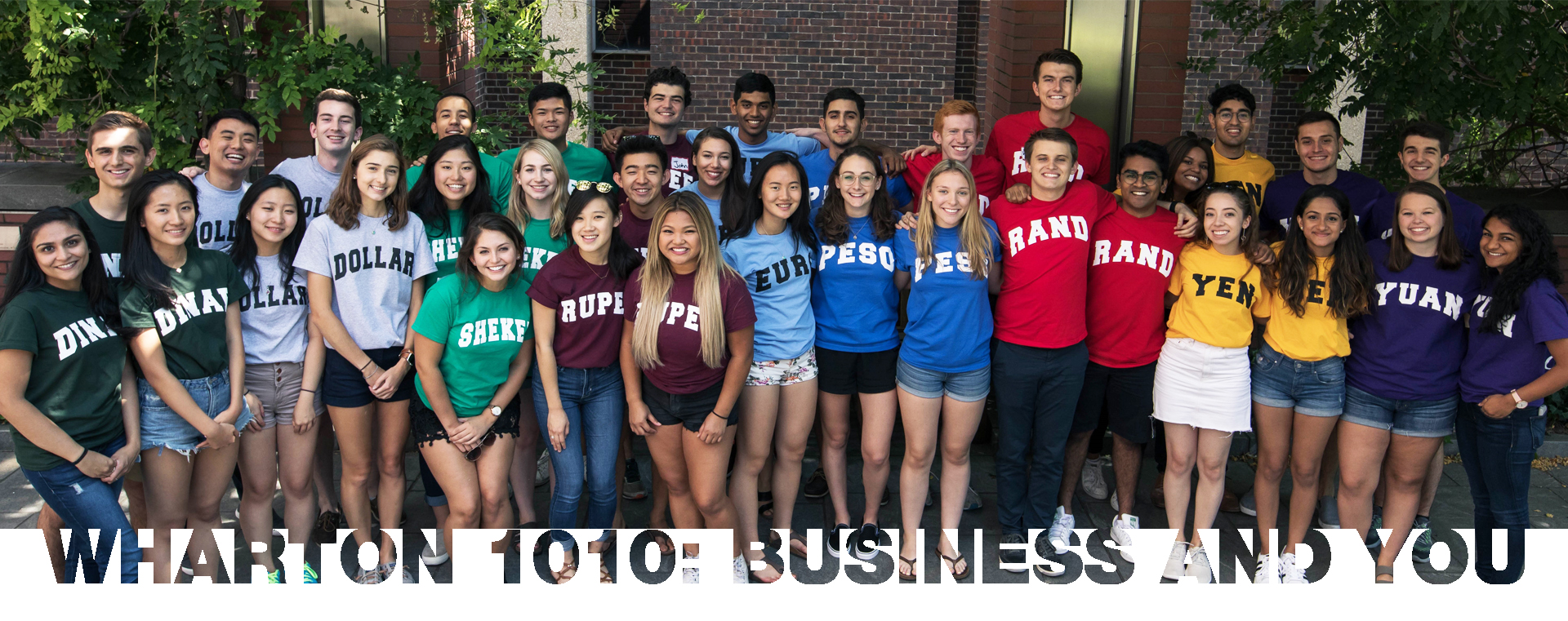
All undergraduates begin their time at Wharton with Wharton 1010: Business and You, the gateway course that introduces students to business disciplines and their applications to real-world problems. As part of the four-module Leadership Journey, Wharton 1010 helps students discover curricular opportunities (business pathways), understand their own strengths and leadership potential, and prepare for the Wharton experience.
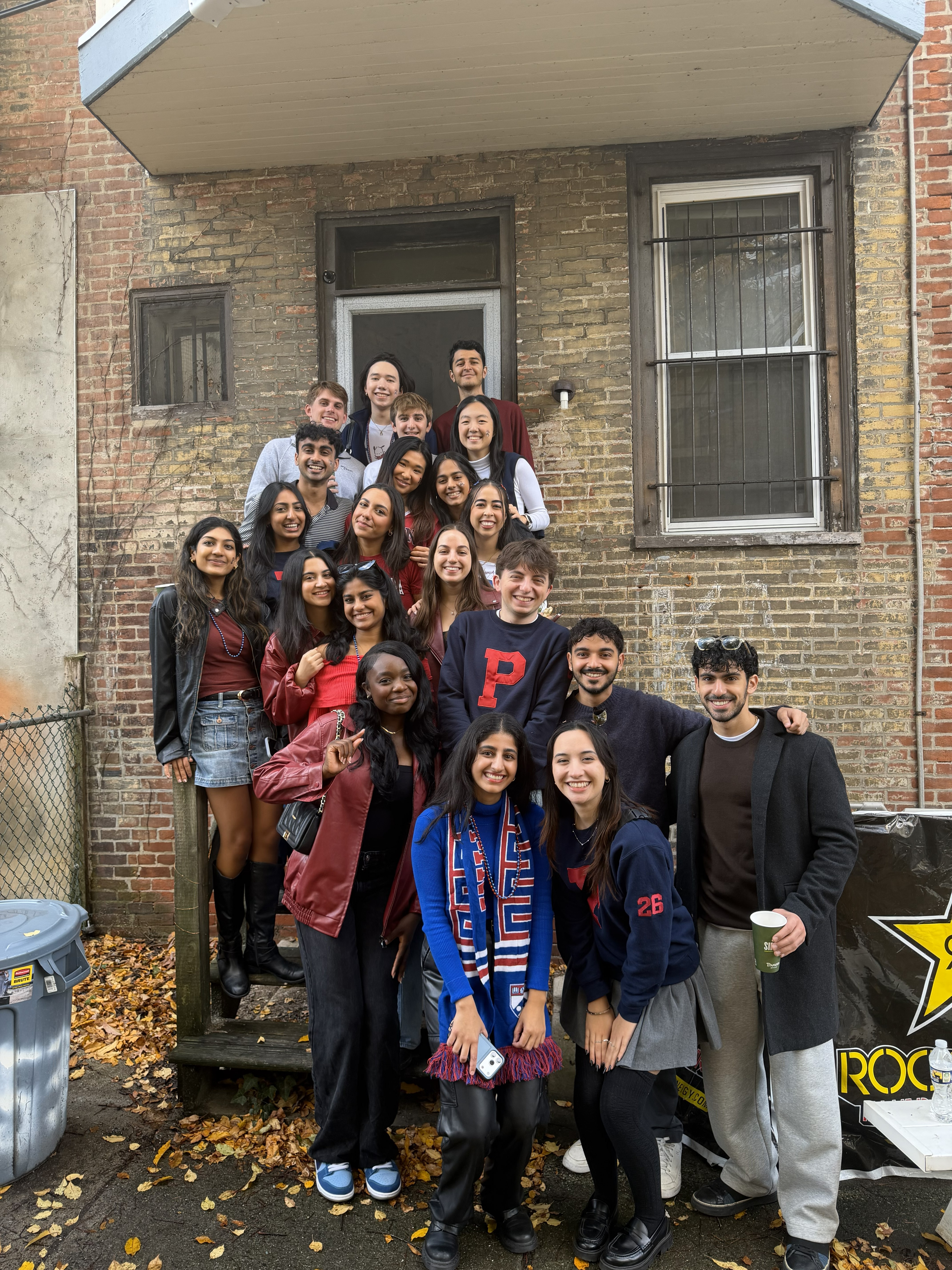
Teaching assistants (TAs) support the class by assisting instructors with class management, coaching student groups through the Innovation Challenge, and mentoring roughly 20 students each throughout their first semester.
MLP recently interviewed the head TA, Francesco Salamone, to hear his perspective on the class, what he has learned, and how he plans on continuing his leadership education.
When Francesco left Palermo, Italy, for Wharton, he imagined a future filled with corporate strategy and boardroom decisions. However, from his participation in the mandatory freshman course and now as a TA for that same class, Francesco discovered that leadership isn’t about titles or hierarchy. It’s about empathy, reflection, and the quiet power of connection.
From Student to Mentor
Francesco’s journey began like many others: navigating the whirlwind of team projects and self-discovery. But stepping into the TA role opened his eyes to something deeper. “The best way to make an impact is through one-on-one conversations,” he says. He recalls a new student who felt out of place after being waitlisted from Wharton. “He kept asking, ‘Why am I here?’ and I told him, ‘It doesn’t matter how you got here; what matters is that you did get here.’ That student later became a TA himself.”
These moments, he explains, are the heartbeat of the Wharton 1010 experience. “There’s no one-size-fits-all approach to facilitation,” Francesco reflects. “I start with the assumption that we’re all in this together. I have as much to learn from them as they do from me.”
Leadership Without Hierarchy
Francesco leads bi-weekly community meetings with fellow TAs and facilitates spaces for candid conversations about boundaries, mental health, and the art of listening. “Our goal isn’t just to manage projects,” he says. “It’s to create a culture of trust and growth.” For him, leadership means dismantling power dynamics and fostering interdependence. “I’m not the biggest fan of hierarchy,” he admits. “I lead by empathy and meeting students where they are.”
A Shift in Perspective
Initially drawn to the corporate world, Francesco now envisions a future in higher education or student advising. “One of the biggest lessons I’ve learned is that you might need to change your environment to suit who you are, rather than change yourself to fit the environment,” he says. This insight came from countless hours observing team dynamics and reflecting on his own values. “I don’t believe in rigid destinations. It’s about staying true to yourself.”
The Power of Reflection
MLP played a pivotal role in shaping his approach. Its emphasis on after-action reviews taught him to pause and absorb his experiences. “People at Penn are great at planning but not at pausing,” Francesco notes. “You chew, and you eat, but you don’t take time to enjoy and absorb the meal—the experience.”
Mentorship That Lasts
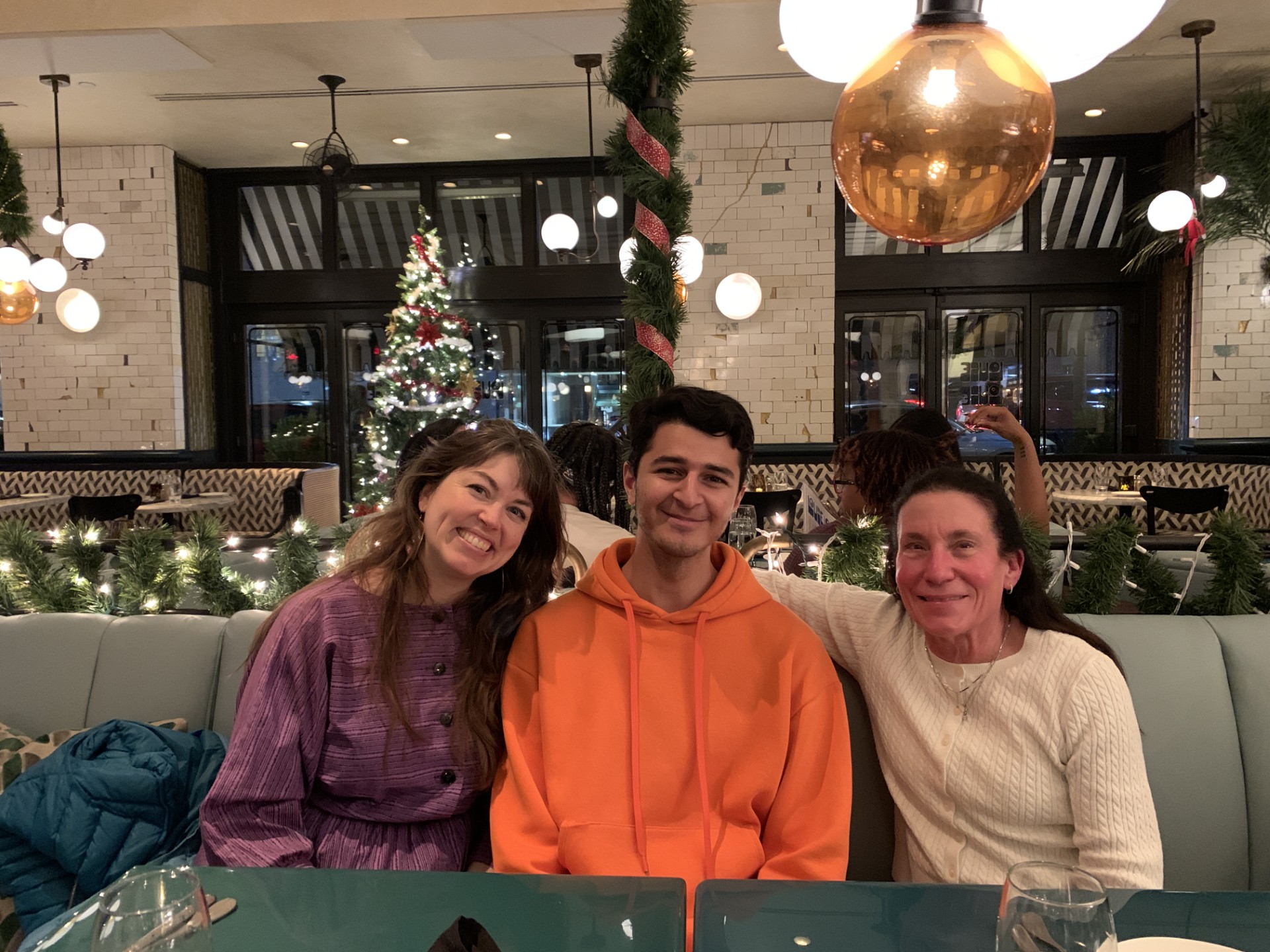
Francesco credits Dr. Anne Greenhalgh as a guiding force. “She taught me to bring the entire person into the conversation—pain, grief, work, and education,” he says. “We share a belief in bridging the humanities and the business world.”
Paying It Forward
For Francesco, leadership at Wharton means responsibility. “My first year, I didn’t have many friends. My TA was the first person who really took the time to sit down and talk to me. Now, I feel a responsibility to do the same. My definition of leadership is simple yet profound: empathy, interdependence, and paying it forward."
Click here to read more about the Wharton 1010 class and the role of a TA.
We hope you enjoyed reading our Fall 2025 Leadership Report. We'd love to get your input on future content for our newsletter. If you have a specific MLP program you would like to hear more about, ideas on content, and/or suggestions for ways to improve our newsletter, we would love to hear from you.
With gratitude,
The MLP Senior Leadership Team

Thank you for your support!
McNulty Leadership Program
The Wharton School
https://leadership.wharton.upenn.edu/
whartonlp@wharton.upenn.edu
